



- Fluid leaks
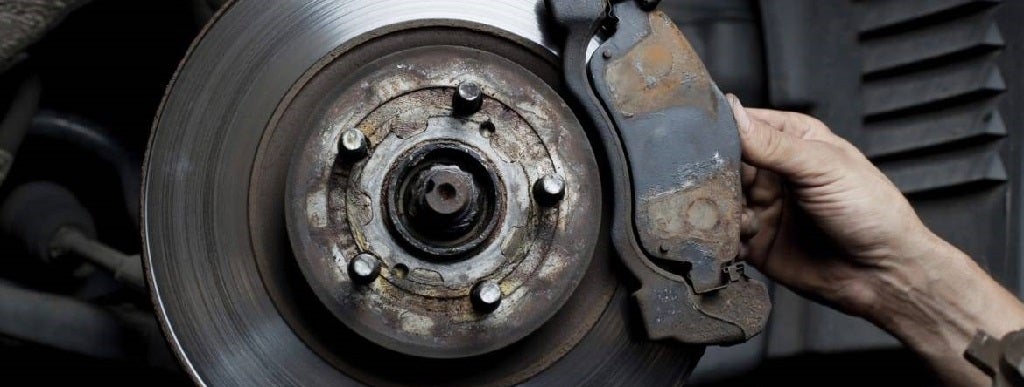
- Brake pedal is hard to push
- Vibrations
- Your vehicle is taking longer to stop than usual
- Brake warning lights come on
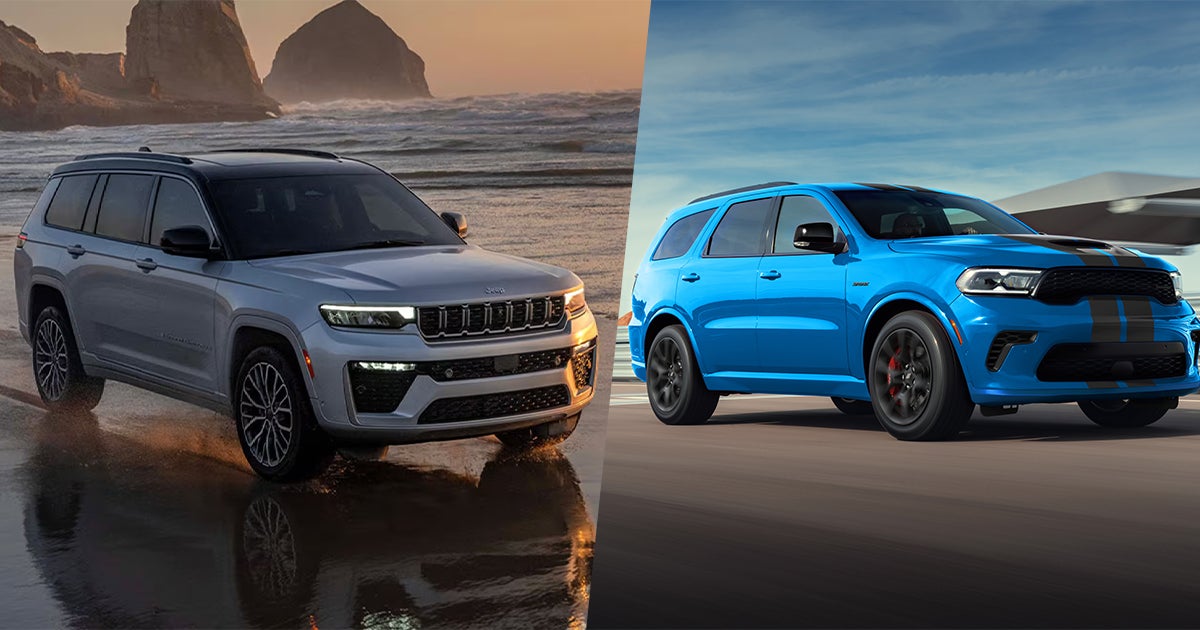
Choosing between two great SUVs can be a fun problem to have, and that is exactly the situation many of our customers find themselves in when comparing the Dodge Durango and Jeep Grand Cherokee. Both bring a lot to the table, but they are built with slightly different drivers in mind. As a trusted Jeep dealership near Franklin, TN, we wanted to break down the Dodge Durango vs Jeep Grand Cherokee comparison so you can figure out which one actually fits your lifestyle. Key Points The Dodge Durango offers a three -row seating standard and up to 710 horsepower with the SRT Hellcat, while the Grand Cherokee focuses on off-road capability with available Quadra-Drive 4x4. The Durango leads in towing up to 8,700 pounds, while the Grand Cherokee's Hurricane Turbo engine delivers a best-in-class 6,200 pounds for its segment. Beaman CDJR carries both SUVs, giving Murfreesboro, Nashville, and Franklin area shoppers the chance to compare them side by side before deciding. 2026 Dodge Durango Trim Levels Dodge has expanded the Durango lineup this year, giving buyers more ways to get behind the wheel of this three-row performance SUV. Here is what is currently available: GT, offered with either a 295 horsepower V6 or an available 360 horsepower 5.7-liter HEMI V8 R/T, powered by a 475 horsepower 6.4-liter HEMI V8 for a more track inspired feel SRT Hellcat, delivering a staggering 710 horsepower from its supercharged 6.2-liter HEMI V8 If you have been searching for a Dodge Durango R/T for sale near you, our lot regularly stocks a strong mix of trims ready for a test drive. Durango vs Grand Cherokee Comparison Chart Feature Dodge Durango Jeep Grand Cherokee Seating 3 rows standard, up to 7 passengers 2 rows standard (5 passengers); 3 rows available on Grand Cherokee L Horsepower 295 hp (V6) up to 710 hp (SRT Hellcat) 293 hp (V6) up to 324 hp (2.0L Hurricane Turbo) Max Towing Up to 8,700 lbs * Up to 6,200 lbs ^ Off-Road Capability Focused more on performance and towing Available Quadra-Trac and Quadra-Drive 4x4 with Selec -Terrain Best For Power, towing muscle, three-row standard seating On-road refinement, off-road capability Frequently Asked Questions What's the main difference between the Dodge Durango and the Jeep Grand Cherokee? The Durango is a three-row SUV built around performance, with an available V8 and muscle-car styling cues. The standard Grand Cherokee is a two-row SUV focused on off-road capability and refined on-road manners, with three-row seating available separately on the Grand Cherokee L. Does the Jeep Grand Cherokee have three-row seating? The standard Grand Cherokee seats 5 across two rows. Buyers who need a third row would look at the Grand Cherokee L, a separate, longer model. The Durango, by comparison, offers three-row seating as part of its standard lineup. What is the Durango vs Grand Cherokee towing capacity? The Grand Cherokee's new 2.0L Hurricane Turbo engine delivers a best-in-class 6,200 pounds of towing capacity for its segment. The Durango's available GT HEMI V8 Tow 'n Go Package pushes that further, topping out at 8,700 pounds *, the stronger choice for heavier trailers or campers. How much horsepower do the Durango and Grand Cherokee have? The Grand Cherokee's engines range from 293 horsepower (V6) to 324 horsepower (2.0L Hurricane Turbo). The Durango's standard V6 makes 295 horsepower, and its available 6.4L HEMI® V8 engine jumps to 475 horsepower, giving Durango buyers a higher ceiling if they want more power. Which SUV is better for off-roading, the Durango or the Grand Cherokee? The Grand Cherokee has stronger off-road heritage, with available Quadra-Trac and Quadra-Drive 4x4 systems and Selec -Terrain modes built for varied terrain. The Durango leans more toward on-road performance and towing muscle than technical off-roading. Where can I compare the Durango and Grand Cherokee near Murfreesboro? Beaman Chrysler Dodge Jeep Ram carries both the Dodge Durango and Jeep Grand Cherokee in inventory. We welcome drivers from Murfreesboro, Nashville, Franklin, and Hendersonville to compare them side by side and take a test drive. See Them Both in Person You can learn more about what makes the Durango stand out on our Dodge Durango in Murfreesboro page and be sure to check out our current new vehicle specials before you visit. If you want to see what you may qualify for ahead of time, use our Quickly Qualify tool to get started from home. Ready to Decide for Yourself? Whether you are drawn to the Durango's raw power or the Grand Cherokee's off-road pedigree, Beaman CDJR has both been waiting for you to compare side by side. Stop by today and let our team help you figure out which one truly fits your lifestyle. *Based on the latest competitive information available and IHS's Standard Full-Size CUV segment. When properly equipped. Max towing ratings shown are for base configuration. Additional options, equipment, passengers, and cargo weight may affect payload/towing weights. Contact dealer for details. ^Based on Wards Middle Sport/Utility vehicle segmentation, excludes other FCA US LLC vehicles. Based on the latest available competitive information. When properly equipped. Additional options, equipment, passengers, and cargo weight may affect payload/towing weights. Contact dealer for details.

Deciding how to pay for your next vehicle can feel like one of the trickiest parts of the whole car buying process, and we get it. Whether you are eyeing a new Jeep or a rugged Ram, understanding your options makes the decision a lot less stressful. We put together some of the most common questions we hear about leasing and financing to help point you in the right direction. When you are ready to start browsing, take a look through our new vehicle inventory anytime. Key Points Financing builds toward ownership, while leasing offers lower monthly payments without ever owning the vehicle outright. At the end of a lease, you can return the vehicle, buy it out, or trade it in toward something new. Most leases include an annual mileage limit between 10,000 and 15,000 miles, so it's worth planning ahead to avoid overage fees. What's the Main Difference Between Leasing and Financing a Vehicle? This is usually the first question shoppers ask, and it is a great place to start. A few key differences worth knowing: Financing means you are paying toward ownership. Once the loan is paid off, the vehicle is fully yours. Leasing is essentially a long-term rental, where you pay to use the vehicle for a set period without owning it Monthly payments on a lease are often lower than financing the same vehicle Financing typically comes with mileage freedom, while leasing usually includes mileage limits Is It Cheaper to Lease or Finance a Jeep or Ram? The honest answer is that it depends on your goals. A few things to consider: Leasing often comes with a lower monthly payment, making it easier on your budget in the short term Financing tends to cost more monthly but builds equity toward eventually owning the vehicle outright If you like driving a new vehicle every few years, leasing can be more cost effective over time If you plan to keep your vehicle for many years, financing is usually the better long-term value Our finance team can walk you through real numbers based on the specific Jeep or Ram model you have in mind, so you can see exactly how each option compares. What Happens at the End of a Lease? Once your lease term wraps up, you generally have a few choices: Return the vehicle and walk away, as long as it is within the agreed upon condition and mileage Purchase the vehicle outright for its predetermined residual value Trade it in toward a new lease or purchase on a different model Extend your current lease for a short period if you need more time to decide Are There Mileage Limits with Leasing? Most leases come with an annual mileage allowance, usually somewhere between 10,000 and 15,000 miles per year. If you go over that limit, you will likely owe a per mile overage fee once the lease ends. It is worth thinking honestly about your typical driving habits before choosing a mileage package, since a higher mileage lease can sometimes cost less overall than paying overage fees later. Looking for Car Financing Near Nashville, TN? If you are ready to see what you may qualify for, our online tool makes it simple to check your options ahead of time. Use our Quickly Qualify tool to get started from home; no dealership visit is required. Ready to Find Your Next Vehicle? Whether leasing or financing sounds like the better fit for your lifestyle, our team is here to help you make the right choice with confidence. Be sure to check out our current new vehicle specials too, since there is no better time to find a great deal on your next Jeep or Ram. Stop by Beaman CDJR today and let us help you drive away in the vehicle that fits your budget and your life.
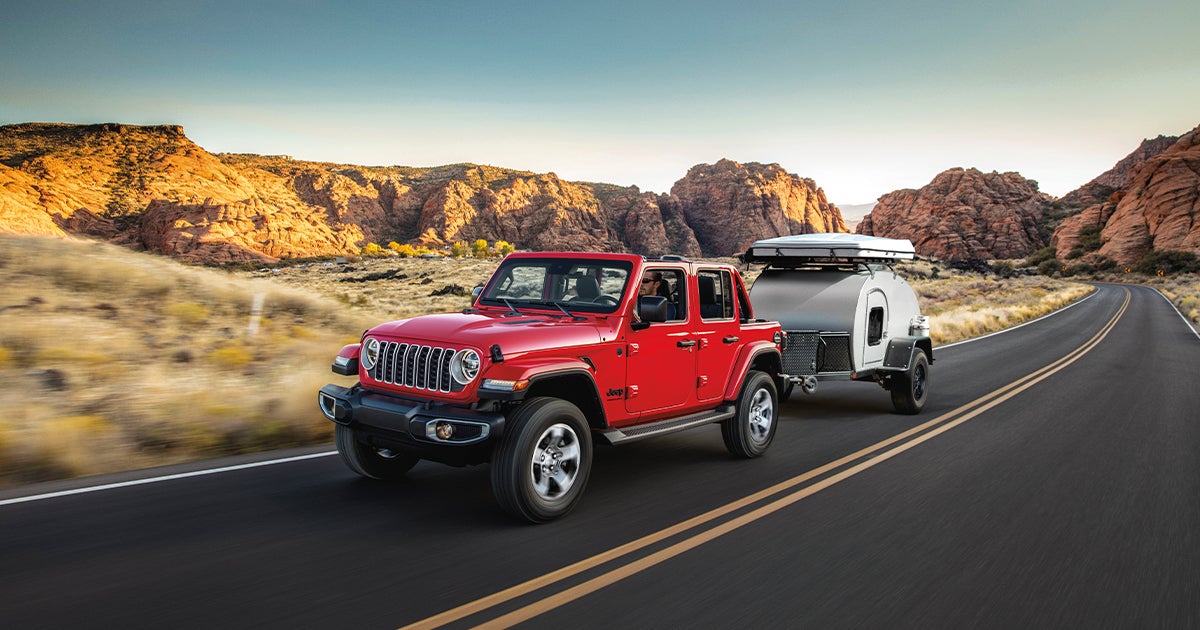
Getting your Jeep Wrangler ready for Tennessee’s trails is an experience that feels both exciting and personal. Whether you’re planning your first off‑road trip or you’ve been exploring the hills for years, a little preparation goes a long way. If you are searching for a Jeep dealership near you, Beaman CDJR is here to help you find the right vehicle and get ready for your next journey. Key Points Trail ‑ ready preparation: Make sure your Wrangler has strong traction and proper ground clearance. Reliable recovery gear is important to have and lighting that helps you stay confident on Tennessee’s changing terrain as well. Performance checks that matter: Confirm engine fluids and test your 4x4 system. You should also inspect brake pad thickness and ensure your battery voltage is strong enough for long trail days. Smart packing for real ‑ world trails: Bring essentials like an air compressor and stocked first‑aid kit. Navigation tools are essential for the trip and plenty of water to stay prepared for shifting conditions. Get Your Wrangler Trail‑Ready Tennessee’s trails offer a mix of rocky climbs and tight forest paths. Preparing your Wrangler helps you enjoy the adventure with confidence. Tires built for traction: All‑terrain tires with deeper tread patterns, help grip loose gravel and wet soil. You should look for an initial tread depth of 10-15 mm for ultimate stability. Ground clearance for uneven terrain: A Wrangler with at least 10 inches of clearance handles rocks and dips more comfortably. Recovery gear: A tow strap rated for 10,000 pounds and a compact shovel can help if you get stuck. Lighting for low ‑ visibility areas: LED fog lights with brightness near 1,500 lumens improve visibility on shaded trails. If you’re comparing trims or thinking about upgrading, you can browse available models through our Jeep inventory. Are Jeep Wranglers good cars? This is a question many drivers have when planning their first Jeep Wrangler off‑roading trip, and the answer is yes. The Wrangler’s strong engine options and available 4x4 systems make it a natural fit for Tennessee’s changing terrain. A few quick checks help ensure your SUV performs at its best. Engine readiness: Confirm your oil level is full and your coolant is topped off. A Wrangler running at its ideal temperature range handles long climbs more smoothly. 4x4 system check: Engage your 4x4 mode briefly before hitting the trail to ensure proper traction. Brake inspection: Brake pads with at least 8 mm of thickness help maintain safe control on steep descents. Battery strength: A battery producing 12.6 volts or higher ensures reliable starts after long trail days. If you’re shopping for a 2026 Jeep Wrangler for sale, you can also explore our current new specials as well. Pack Smart for Tennessee’s Changing Terrain Trail conditions can shift quickly, so packing the right gear helps you stay prepared. Air compressor: Allows you to air down tires for traction and refill them afterward. First ‑ aid kit: Include bandages, antiseptic wipes, wraps, and basic supplies. Trail map or GPS: Helps you stay on course when cell service drops. Extra water and snacks: Long trail days require hydration and energy. For help planning your purchase or financing your next Wrangler, you can explore options through the Beaman CDJR finance center. Get Ready for Your Next Adventure Prepping your Wrangler for Tennessee’s trails is all about making sure your SUV is ready for whatever the day brings. With the right gear and a little guidance from car dealerships in Murfreesboro, TN, you’ll feel confident tackling everything from muddy paths to rocky climbs. When you’re ready to explore models or compare features, you can start your search by checking out the Jeep Wrangler and get trail‑ready with confidence.